TARSIUS

Overview

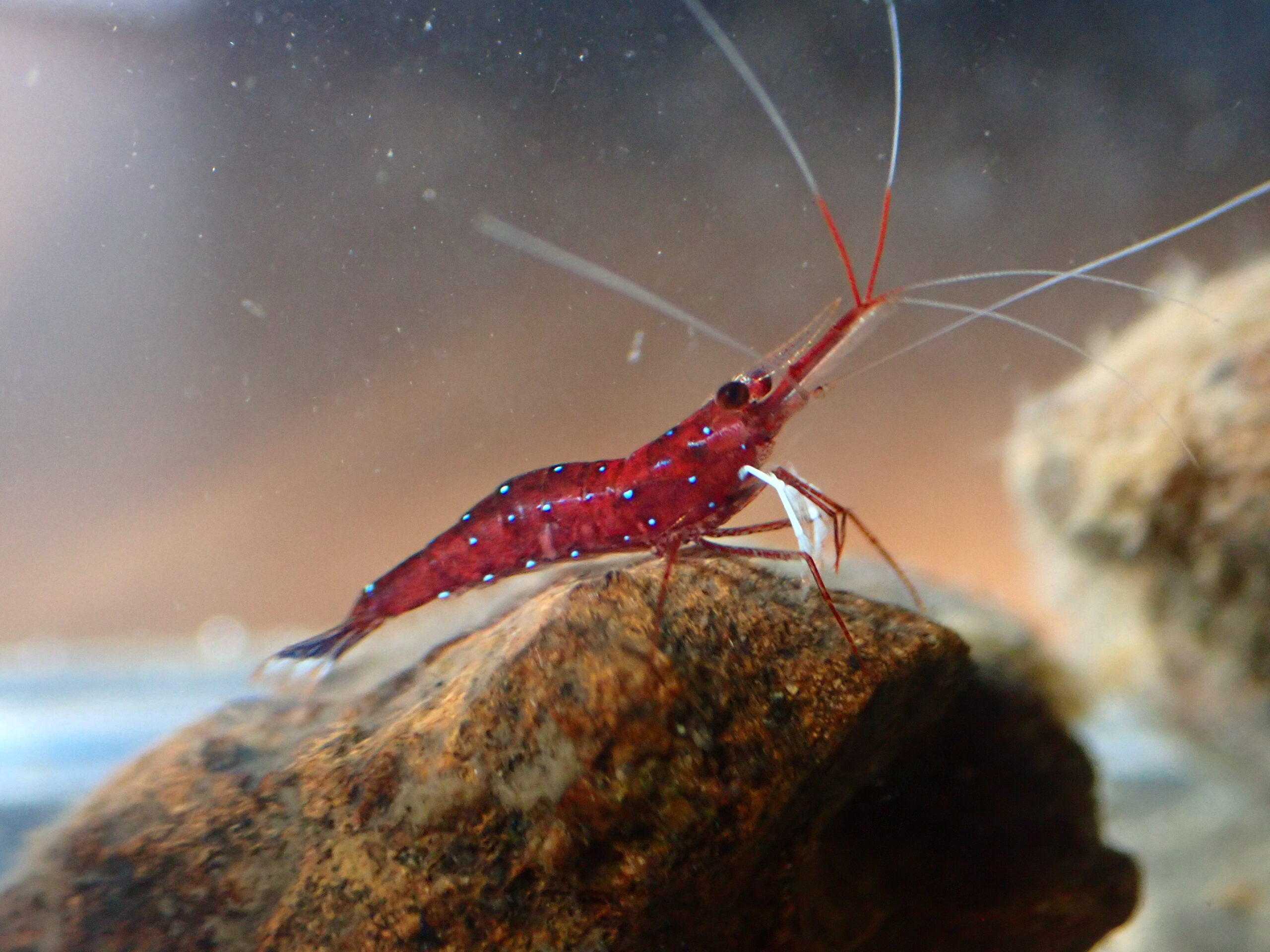
All participating teams are part of the organization Tapak Diversitas Hayati Nusantara, abbreviated as TARSIUS, has conducted two series of surveys in Lake Matano, attempting to delineate the current habitat condition and population distribution of endemic atyids in the ancient lake of Matano.  The first survey was carried out from 13th to 17th August 2025 with the total number of team was five people. TARSIUS team successfully encountered the Caridina dennerli in 12 localities out of 24. One of localities, Station Caridina (SC) 6 has been heavily disturbed with high sedimentation, creating a very thick layer of mud which becomes a nuisance for the shrimp to strive in this locality.

The second survey was carried in April 2026 which was supposed to be commenced in the period of January-Maret. However, due to the weather anomaly, the team was not able to go to Sorowako, a town next to the Lake, because of heavy rain and unpredicted high wave on the lake. This condition was considered as dangerous or unfavourable for the team to be on the lake which thus forced TARSIUS team to postpone until April. The second survey was finally carried out from  17th to 21st April 2026 after seven months from the first survey. Generally, the same approaches as the first visit were carried out on 23 localities. However, the team had to struggle with the strong wave particularly after noon onward.

Habitat Condition

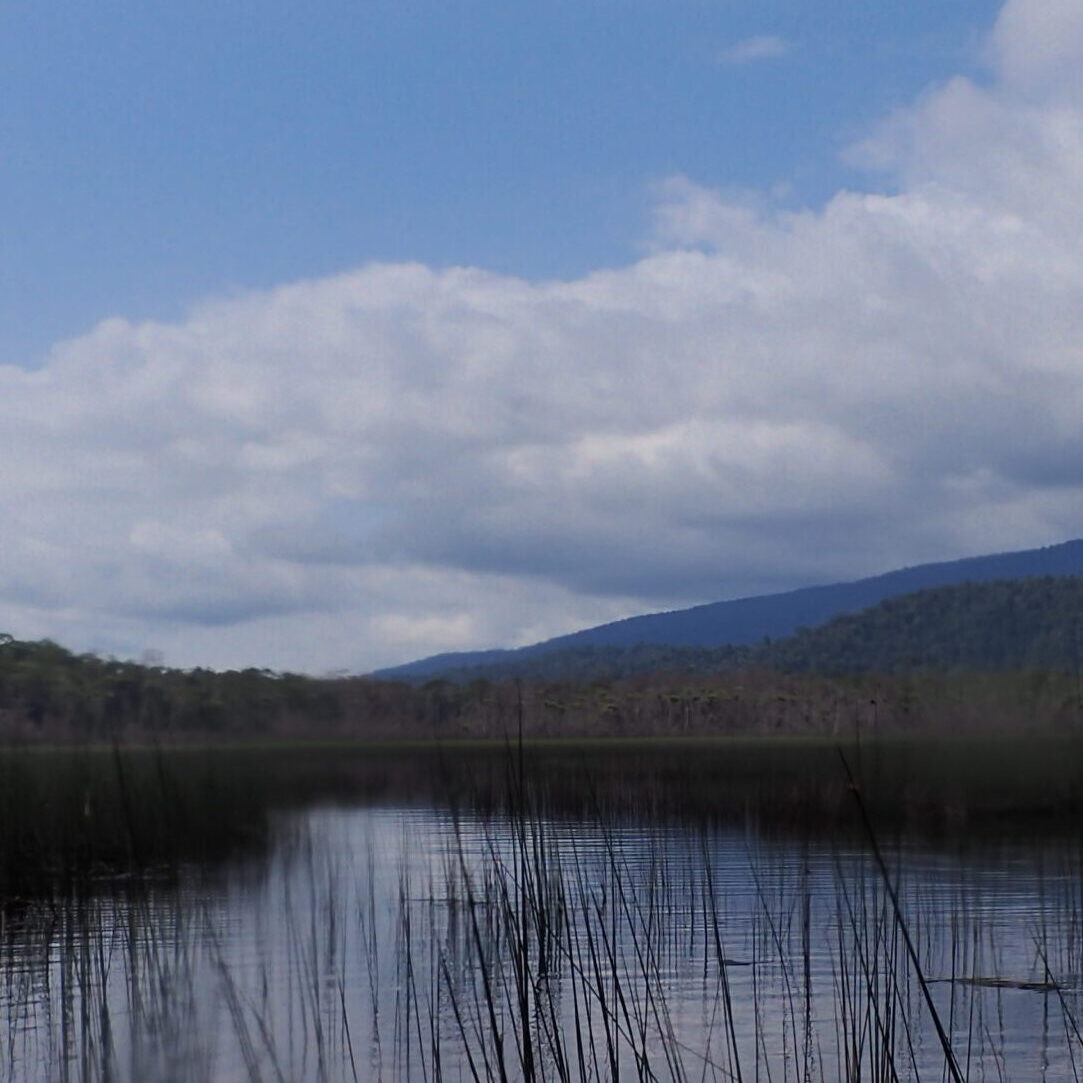
One of factors that is pivotal for the existence of Caridina shrimp is the habitat condition. After doing a thoroughly survey along the lake shore, we encountered disturbed ecological condition particularly of which the substrate being either overgrown by thick layer of algae or substrate full of mud. This condition could potentially be a nuisance that provide unfavorable condition for the endemic shrimp to survive. However, to what degree of this condition might have affected the shrimp distribution needs to be proven scientifically. Based on our initial observation in the current survey, it is obvious that Caridina are absent in the locality where it  is used to be inhabited by Caridina. This  enhances the assumption that thick and  unstable mud has created unsuitable habitat for shrimp to thrive.

Furthermore, the existence of Caridina  population in the rest of sites does not  solely imply that it is a good sign. In many localities, it is rather difficult to find shrimp where it is used to be very easy to encounter. They mostly hide under the rocks, probably staying away from the predator and the fact that rock surfaces are fully covered by thick algae.


Invasive Alien Species

A threat to native species that has been discussed widely is invasive alien species. In the case of Lake Matano, hybridogenic flowerhorn cichlid and sailfin catfish have been the major threat to the lake’s endemic fauna regardless the taxa, from endemic macroinvertebrates to other fishes. Herder et al. (2012) reported to have witnessed the wider distribution of both invasive species along the lake shore in 2010. Analysis on the gut content confirmed that most of their prey consisted of gastropods and crustacean (Herder et al. 2012). More than a decade later, their population have been flourishing massively that wherever we snorkel the cichlid particularly will always be around us, being ready to attack as soon as we lift the rock to find shrimp. Annawaty et al. (2016) also encountered that some invasive species in another lake could also be the determining factor that limit the distribution of Caridina in the lake. More conservation action will soon be needed to overcome this issue, preventing further decline of native species to the lake.

Distribution map of Caridina dennerli population along the shallow water of the lake. Colour of the circle represents the number of species in one locality.

Blog Lainnya