Tapak Diversitas Hayati Nusantara
Endemic
Tylomelania
Snail

This project is to try to rediscover this snail and to map its distribution for monitoring, to conduct ex situ breeding, and to raise local awareness about it.

MBZ Tylomelania Conservation

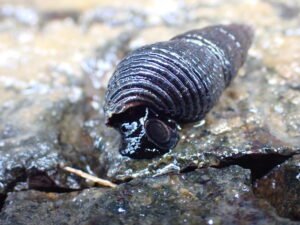
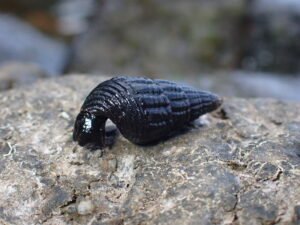
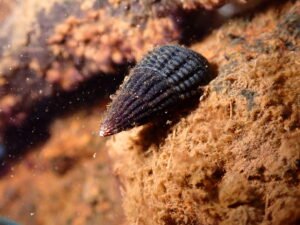
Tylomelania zeamais is one of the endemic species found in Lake Matano. This species is classified as critically endangered on the IUCN Red List. Since this species is found exclusively in the Lake Matano region, it is necessary to give special attention to ensuring its survival. To that end, the Tapak Diversitas Hayati Nusantara (TARSIUS) team, in collaboration with several institutions involved in the conservation of endemic species, conducted a survey to document the species’ locations in October 2023.

Tylomelania zeamais

The snail species Tylomelania zeamais is an endemic freshwater species found in ancient lakes on the island of Sulawesi. This snail species is quite difficult to identify because it exhibits a wide variety of morphological types. This snail has a shell width of approximately 13 mm, a shell length of approximately 29 mm, and an aperture width of 7.5 mm.

FIELD SURVEY

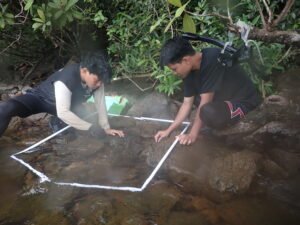
The Tylomelania zeamais species survey was conducted in October 2023. The field team consisted of Muhammad Iqram, Salman Al Farisi, Like Ayu Sutrisno, Corezy Filadelfi, Anisa Iriani, and Saifullah Abdul Rasyid. The field survey was conducted following the guidelines of a previous study conducted by Rintelen in 2007. A map of species sightings, based on Rintelen’s (2007) study of endemic Tylomelania species in the lakes of the Malili region—combined with sightings reported by local residents and the experience of other researchers—enabled the survey in the Lake Matano area to be carried out efficiently.

SPECIES DISTRIBUTION MAPPING

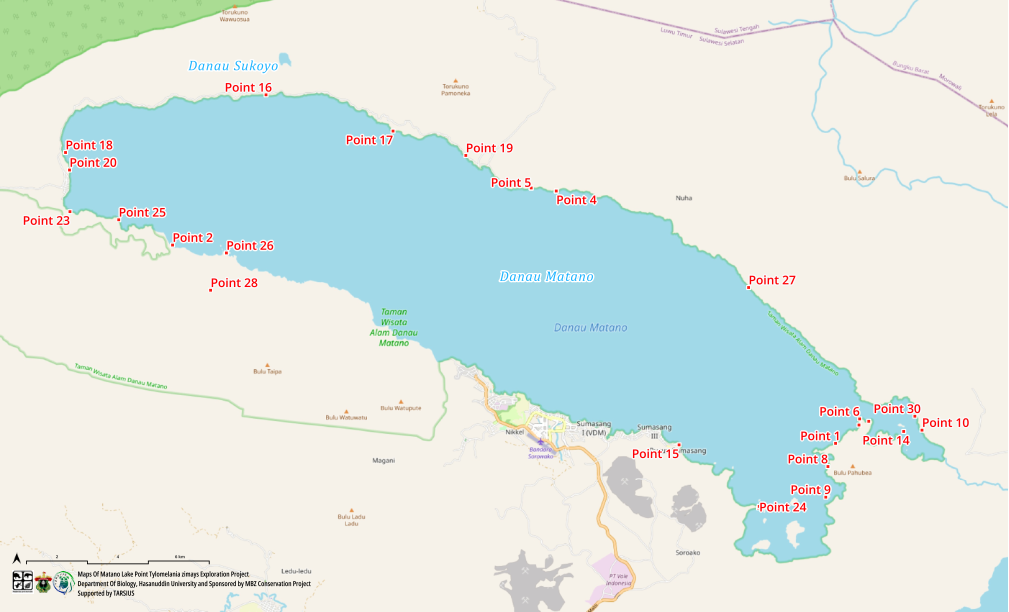
Before carrying out the survey, 32 localities have been pre-determined fo lowing suggestion of the project advisor who has comprehensively sampled the lake. Out of the 32 localities, the team successfuly observed and rediscovered the target species in 20 localities. In each locality, we randomly placed 1 x 1 m plot to count the number of snails and then repeated 3 times. Number of individuals in each locality can be seen on the map.

These localities serve as benchmark for future monitoring to see changes in population over time. In addition to counting number of individuals, water quality such as pH, conductivity, temperature and TDS were also measured. Regardless the success of encountering the target species, it is important to note that the snail is restricted to a very narrow place at sha low water where the rock surfaces are sti l clean and not covered by thick algae layer. Sometimes, they exist in a smal pool which is encircled by plant roots.

CONSERVATION CAMPAIGN TO THE SCHOOL

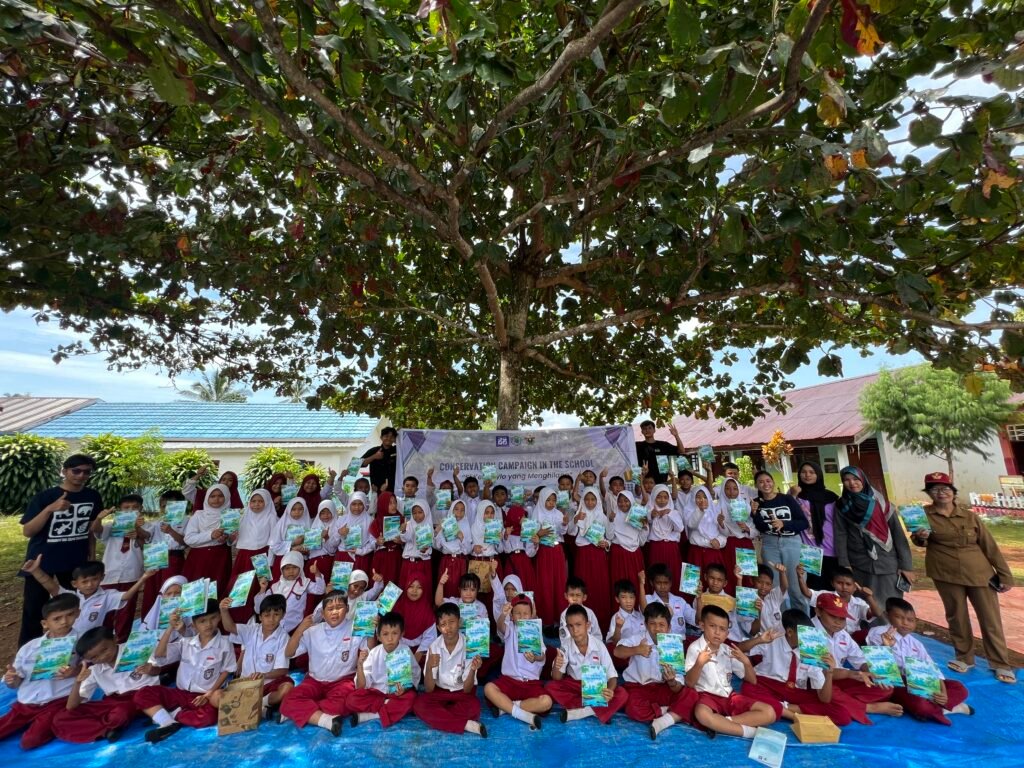
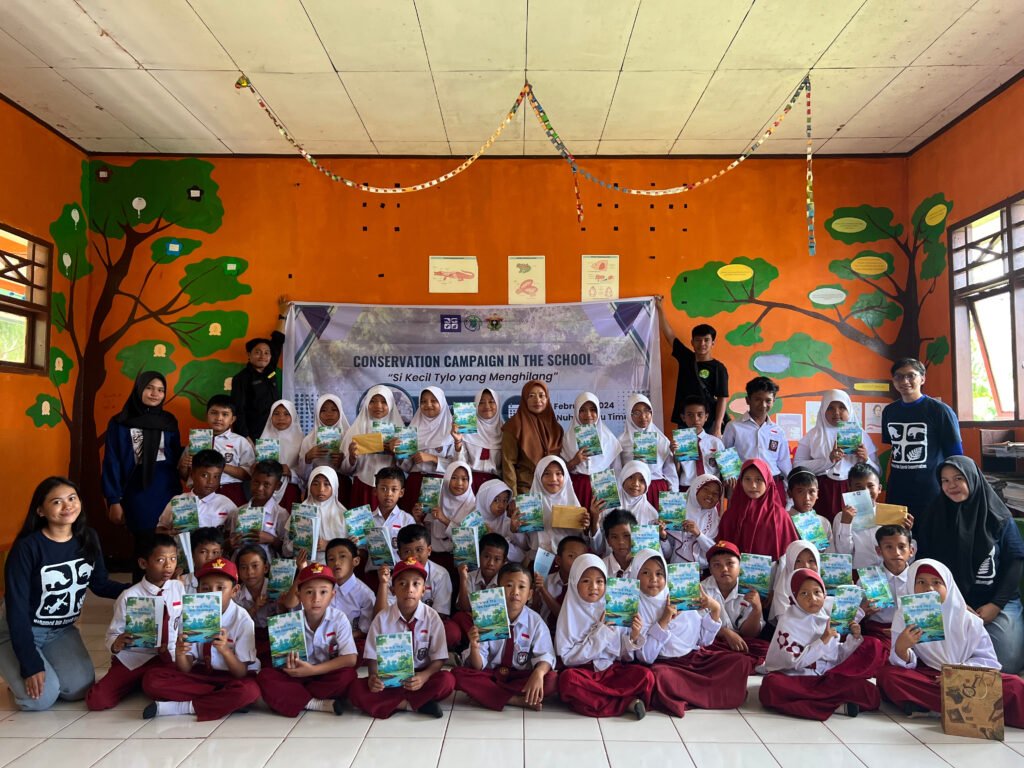
Within this project, an educational campaign was carried out to foster a sense of responsibility and to build a foundational understanding of the importance of protecting biodiversity. Two elementary schools in two different villages around the lake were visited. An interactive comic reflecting the current condition of Tylomelania was created, and the team conducted a storytelling session to deliver the message contained in the comic. Over 100 pupils participated enthusiastically, engaging with the fascinating story of the snail. This effort may not directly improve the deteriorating condition of the population and its habitat, it is however expected to inspire the pupils to develop personal awareness and a sense of stewardship toward unique endemic biodiversity of Lake Matano. This activity is planned as an initial step in raising awareness about biodiversity conservation.